


























EDITGENE CO., LTD

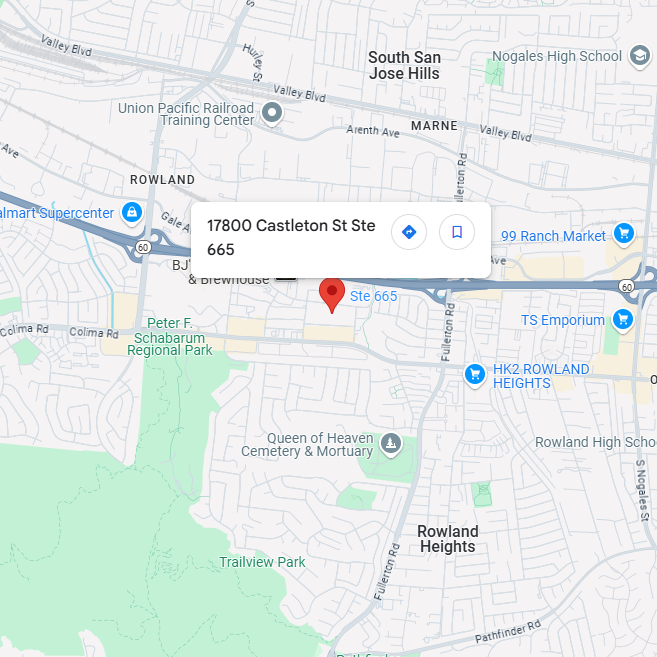
17800 Castleton St. Ste 665. City of Industry. CA 91748

info@editxor.com

+1-833-226-3234 (USA Toll-free)
+1-224-345-1927 (USA)
+86-19120102676 (Intl)

 Room 501, Building D, International Business Incubator, No.3 Juquan Road, Science City, Huangpu District, Guangzhou, Guangdong, China 510663
Technical Support

Support Center
Beijing Time: Monday to Friday, 8:00 AM - 6:00 PM
Toll-Free (USA): +833-226-3234
Direct Line (USA): +1-224-345-1927
Email: techsupport@editxor.com

After-Hours Support
Beijing Time: Monday to Sunday, 8:00AM - 6:00 PM
International Line: +86-19120102676
Email: info@editxor.com
Whatsapp
Connect with us instantly on WhatsApp for quick inquiries and real-time support.
Office WhatsApp

Facebook Messenger
Reach out to us on Facebook Messenger for personalized assistance and detailed information.

Linkedin
Engage with us on LinkedIn for professional inquiries, the latest blogs, discoveries, and updates on our innovative work.
FAQ
Do you support customized reporter cell lines?
What is lentivirus packaging?
Why choose lentivirus as a gene delivery tool?
After lentiviral transduction, the cell condition is poor, and there is significant cell death. How can this be addressed?
How is Prime Editing 7 (PE7) different from traditional CRISPR/Cas9 technology?
How does EDITGENE’s Bingo™ Prime Editing 7 (PE7) platform ensure point mutation success rates?
Are all types of genes suitable for KO cell lines?
How to Improve the Detection Sensitivity of Cas Enzymes?
2.Choose an appropriate signal reporter substrate. Research indicates that using a 15 nt single-stranded DNA (ssDNA) as a reporter substrate maximizes the cleavage reaction rate of Cas12a, significantly enhancing the reaction rate compared to the commonly used 5-nt ssDNA.
3.Optimize reaction conditions and buffers. Adjusting the CRISPR reaction parameters, such as the ratio of Cas enzyme to crRNA, the concentration of the Cas enzyme, and the reaction temperature, can improve detection performance to some extent.
What is the difference between KO cell lines and gene knockout animal models?
Why do researchers use KO cell lines?
Are KO cell lines applicable to all cell types?
What is a KO cell line?
What is the difference between a stable cell line and a transient cell line?
How to Design crRNA?
1.Identify the target gene sequence.
2.Specify the Cas protein being used. Different Cas proteins require corresponding PAM (Protospacer Adjacent Motif) sequences; for instance, Cas12a needs the "TTTV" PAM sequence for target recognition.
3.Select the crRNA targeting region. Choose a 20 nt nucleotide sequence on the target gene that is adjacent to the PAM site and pairs with the complementary strand of the crRNA.
4.Combine the selected 20 nt target sequence (variable part) with the scaffold sequence (fixed part) to design the crRNA sequence.
5.Use online tools such as CRISPR design tools (e.g., CRISPOR, Benchling, etc.) to assist in designing crRNA. These tools can predict the efficiency and specificity of the sgRNA, helping to avoid potential off-target effects.
6.After completing the design, the synthetic crRNA sequence can be ordered from a synthetic biology company.
What role does gene knock-in play in drug development?
Subscribe
You can unsubscribe from these communications at any time. For more information on how to unsubscribe, our privacy practices, and how we are committed to protecting and respecting your privacy, please review our Privacy Policy.
By clicking submit below, you consent to allow EDITGENE to store and process the personal information submitted above to provide you the content requested.
