


























EDITGENE CO., LTD

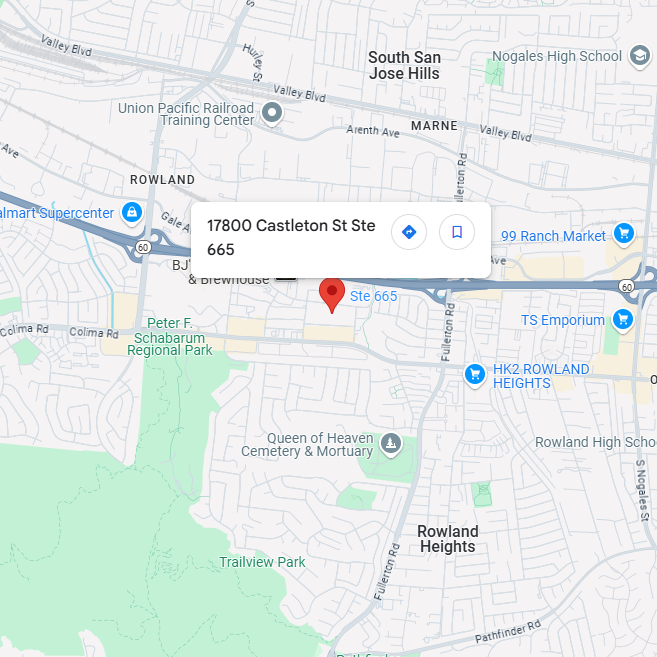
17800 Castleton St. Ste 665. City of Industry. CA 91748

info@editxor.com

+1-833-226-3234 (USA Toll-free)
+1-224-345-1927 (USA)
+86-19120102676 (Intl)

 Room 501, Building D, International Business Incubator, No.3 Juquan Road, Science City, Huangpu District, Guangzhou, Guangdong, China 510663
Technical Support

Support Center
Beijing Time: Monday to Friday, 8:00 AM - 6:00 PM
Toll-Free (USA): +833-226-3234
Direct Line (USA): +1-224-345-1927
Email: techsupport@editxor.com

After-Hours Support
Beijing Time: Monday to Sunday, 8:00AM - 6:00 PM
International Line: +86-19120102676
Email: info@editxor.com
Whatsapp
Connect with us instantly on WhatsApp for quick inquiries and real-time support.
Office WhatsApp

Facebook Messenger
Reach out to us on Facebook Messenger for personalized assistance and detailed information.

Linkedin
Engage with us on LinkedIn for professional inquiries, the latest blogs, discoveries, and updates on our innovative work.
FAQ
Is the reporter signal stable and reproducible?
What are the commonly used reporter systems?
What is Gene Interference and How Does It Work?
Duration of Gene Silencing (Transient Transfection vs. Stable Cell Lines):
| siRNA: | Transient effect (5–7 days),suitable for short-term phenotypic analysis |
|---|---|
| shRNA/CRISPRi: | Stable knockdown after selection, permanent suppression, effective over 20+ passages |
Differences Between siRNA, shRNA, and CRISPR Interference (CRISPRi) and How to Choose:
| Parameter | siRNA | shRNA (viral vector) | CRISPRi |
|---|---|---|---|
| Duration of Effect | Transient (5-7 days) | Long-term (stably maintained through passages) | Long-term and stable |
| Cell Type Compatibility | Easily transfected cells | Broad spectrum, including hard-to-transfect cells | Requires pre-established dCas9 cell line |
| Off-target Risk | Medium to high | Medium | Very low |
| Typical Use | Rapid validation | Animal or cell models | High-precision gene regulation |
What types of gene interference technology services do we mainly provide? (including siRNA transfection, shRNA-mediated lentiviral/adenoviral stable knockdown, and CRISPRi-based transcriptional repression.)
| Technology | Applications | Delivery Format |
|---|---|---|
| siRNA transfection | Rapid validation (effects observed within 72-96 hours) | Cells post-interference/experimental report |
| shRNA viral vectors | Long-term suppression (stable cell line screening) | Viral particles/stable knockdown cell lines |
| CRISPRi | High-specificity gene inhibition | dCas9-expressing cell line and gRNA vector |
What is the difference between induced pluripotent stem cells (iPSCs) and embryonic stem cells (ESCs)?
What are induced pluripotent stem cells (iPSCs)?
What are the potential applications of iPSCs in clinical practice?
Does it support high-throughput screening?
What is the core principle of gene knock-in technology?
Why choose EDITGENE to establish stable overexpression cell lines?
Why conduct gene overexpression?
What is gene overexpression?
What is monoclonal screening, and why is it so important in gene editing research?
Subscribe
You can unsubscribe from these communications at any time. For more information on how to unsubscribe, our privacy practices, and how we are committed to protecting and respecting your privacy, please review our Privacy Policy.
By clicking submit below, you consent to allow EDITGENE to store and process the personal information submitted above to provide you the content requested.
