

























 Cryo-EM Structure Determination Services
Service Overview
Cryo-electron microscopy (cryo-EM) enables biomolecules and macromolecular complexes to be imaged in vitreous ice and reconstructed computationally into three-dimensional density maps. When sample quality and data support sufficient resolution, single-particle analysis can further enable atomic model building, helping researchers characterize protein conformations, complex assembly, and ligand-binding modes.
EDITGENE provides project support spanning sample feasibility assessment, cryo-sample preparation, data acquisition, 3D reconstruction, model building, and structural interpretation. Projects may also be integrated with recombinant protein production, cell-based functional validation, and structure-based drug design, enabling structural and functional findings to inform one another.
Scope of Services and Deliverables
Suitable Samples and Research Applications
| Sample Type | Typical Research Need |
|---|---|
| Soluble proteins and complexes | Protein conformation, subunit assembly, and protein-protein interaction interfaces. |
| Membrane proteins and complexes | Conformations and ligand-binding modes of GPCRs, ion channels, transporters, and related targets. |
| Antigen-antibody complexes | Epitope mapping, binding-interface analysis, and characterization of antibody mechanisms. |
| Viruses, VLPs, and macromolecular assemblies | Particle morphology, assembly mechanisms, and structural features. |
| Cells and organelles | Near-native three-dimensional structure and spatial organization investigated by cryo-ET. |
Service Advantages

Upfront Sample Quality Assessment
Integrated End-to-End Support
Flexible Technical Pathways

Traceable Results and Quality Control
Service Workflow
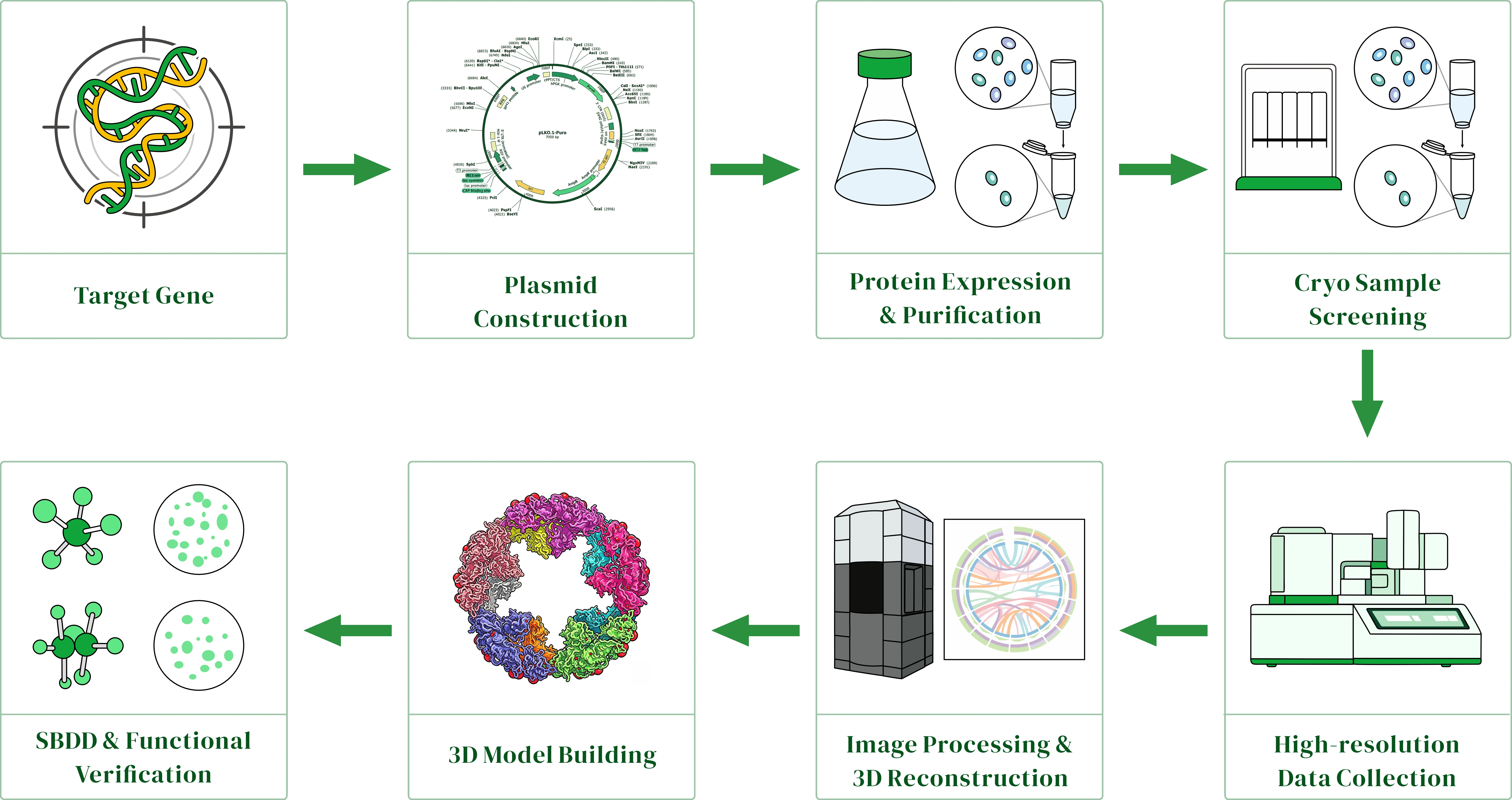
Figure 1. Cryo-EM project workflow shown on the original Chinese webpage.
Collaboration Models
| Engagement Model | Recommended Scenario |
|---|---|
| Standalone Service | For projects with a qualified protein sample that require only cryo-grid preparation, data acquisition, 3D reconstruction, atomic model building, or another specific module. |
| End-to-End Project | For projects starting with protein production and requiring structural determination to connect with cell-based functional validation, SBDD, or other downstream studies. |
Platform Capabilities
| Platform | Scope of Capabilities |
|---|---|
| Protein Production and Biochemistry | Recombinant protein expression, purification, and process optimization; assessment of protein purity, homogeneity, stability, activity, and molecular interactions. |
| Cryo-EM Platform | Cryo-grid preparation, single-particle data acquisition and processing, cryo-ET, 3D reconstruction, and atomic model building. |
| Computational Chemistry | Virtual screening, molecular dynamics simulations, free-energy calculations, and structure-guided candidate design. |
1 Biochemical Platform
The biochemical platform supports pilot-scale recombinant protein purification process development and is complemented by protein-activity and molecular-interaction assays. Membrane-protein stability can be optimized before cryo-EM analysis, helping improve the proportion of samples that advance successfully compared with workflows focused only on microscopy.
Core capabilities include:
High-efficiency recombinant protein expression, purification, and scalable production-process development.
Protein functional activity assays, binding analysis, and validation of biological mechanisms.
2 Electron Microscopy Platform
The cryo-EM center provides an integrated instrument suite, enabling clients to access advanced structural biology capabilities without investing in capital-intensive equipment.
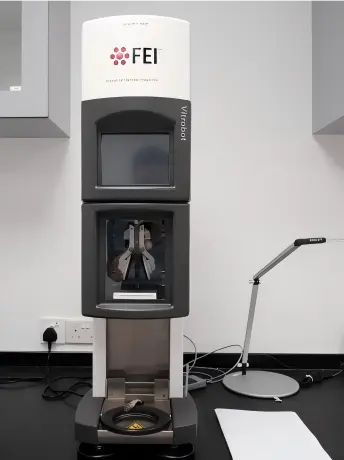
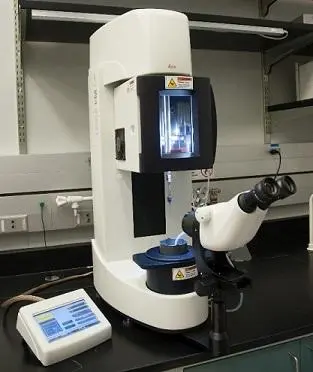
Sample-preparation instruments: Vitrobot Mark IV and Leica EM GP systems provide controlled temperature and humidity for reproducible vitrification and well-distributed frozen samples.
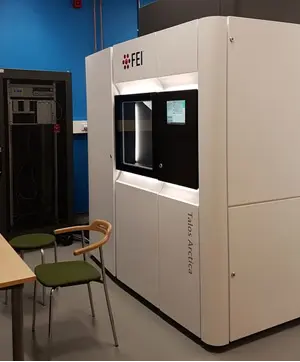
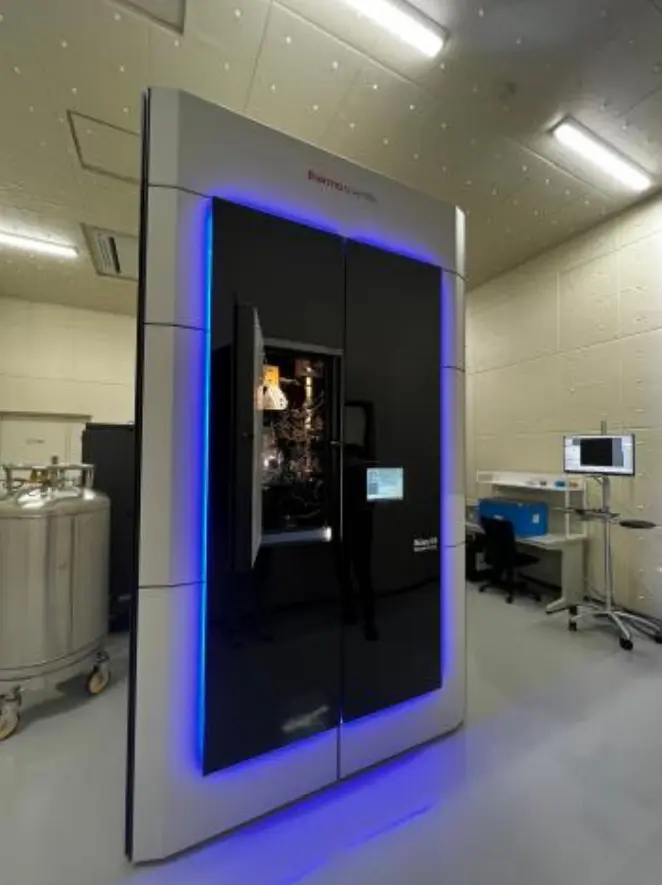
Imaging instruments: a 300 kV Titan Krios supports high-resolution data collection, while a 200 kV Talos system supports rapid sample prescreening. The webpage reports more than 48 hours of stable weekly microscope operation and an expedited seven-day pathway for eligible high-resolution projects.
Computing infrastructure: high-performance computing and petabyte-scale storage support cryo-EM reconstruction, molecular dynamics, and FEP calculations, helping shorten data-analysis timelines.
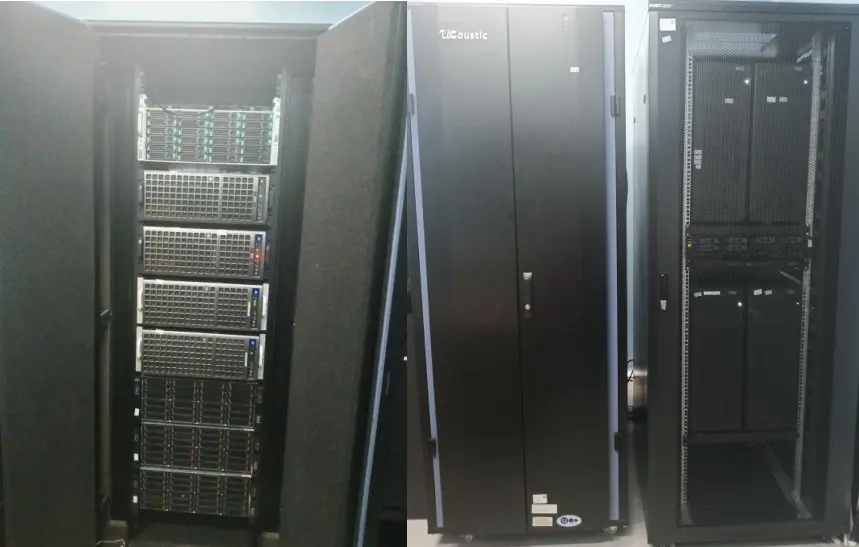
The computing cluster supports large-scale cryo-EM reconstruction, molecular dynamics, and FEP calculations.
Application Areas
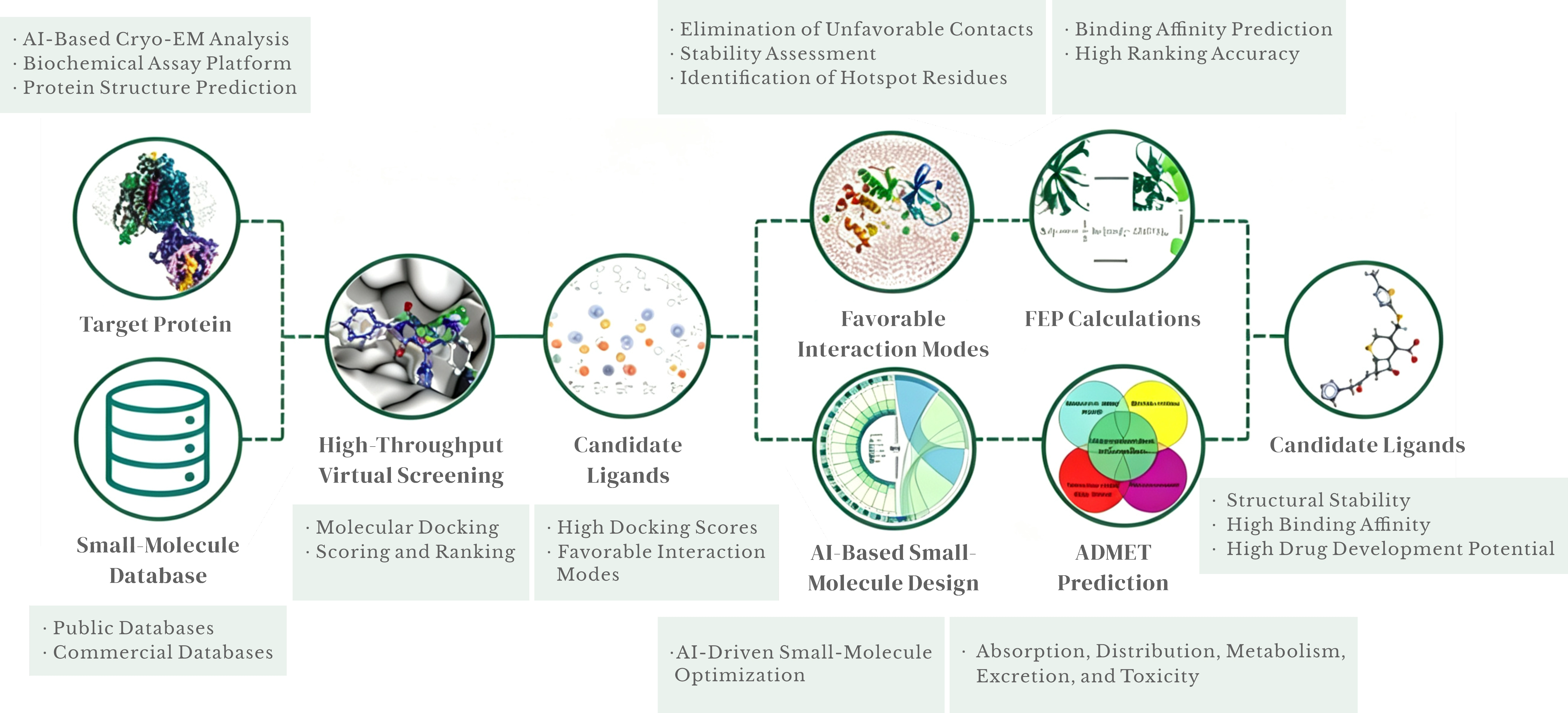
Figure 2. Integrated computational drug-discovery workflow shown on the original Chinese webpage.
Viral Vaccine Development
Membrane-Protein Drug Discovery
Basic Research in Neurodegenerative Disease
Nanoparticle Delivery Systems
Preclinical Drug Development
Nanomaterials
Selected Project Examples
Resolution: 2.0 Å | Timeline: 7 days
Value: provides an atomic-level structural basis for optimizing small-molecule oncology compounds.
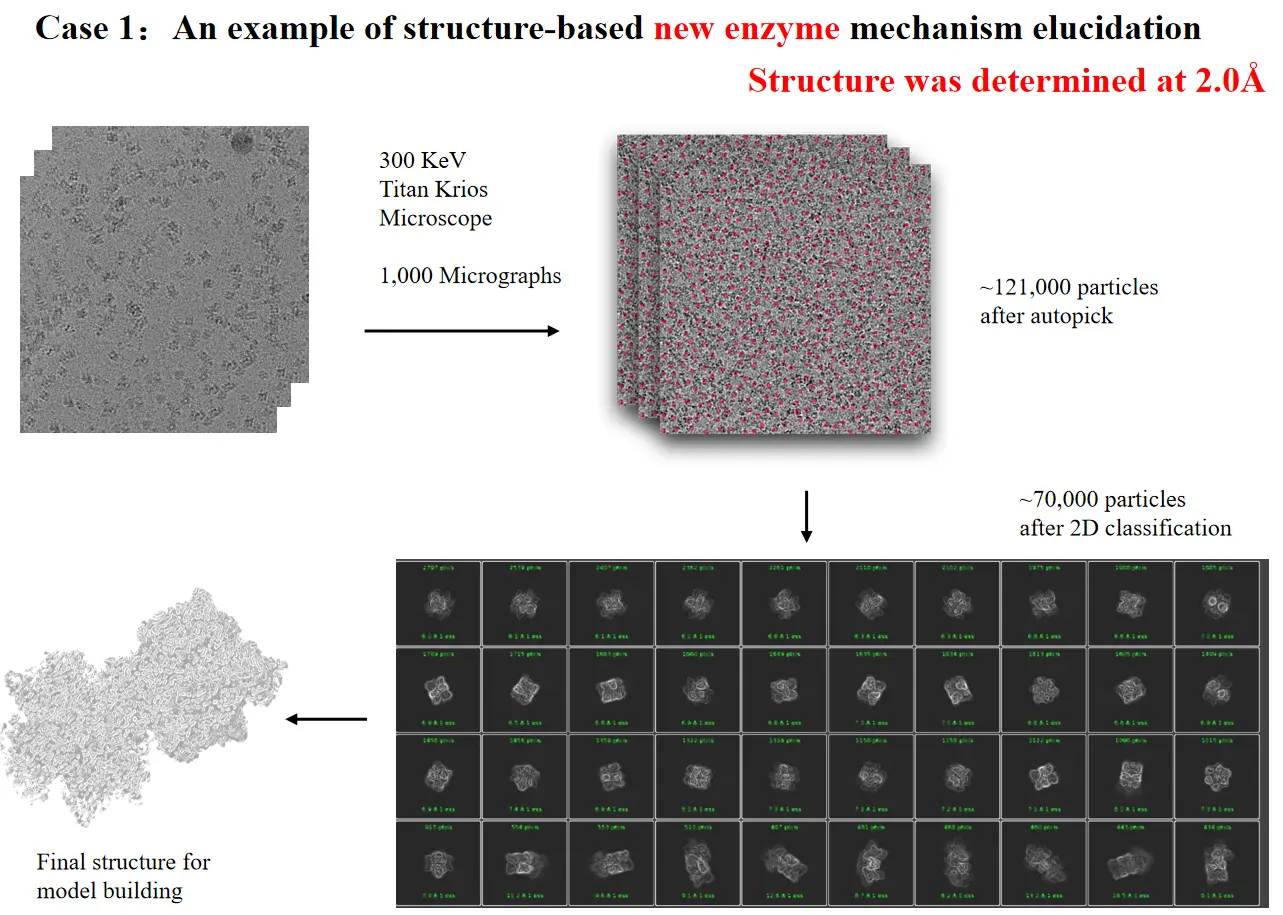
Figure 3. Case 1 - Kinase Inhibitor Complex.
Resolution: 2.6 Å | Timeline: 1 month
Value: supports structure-guided improvement of inhibitor affinity.
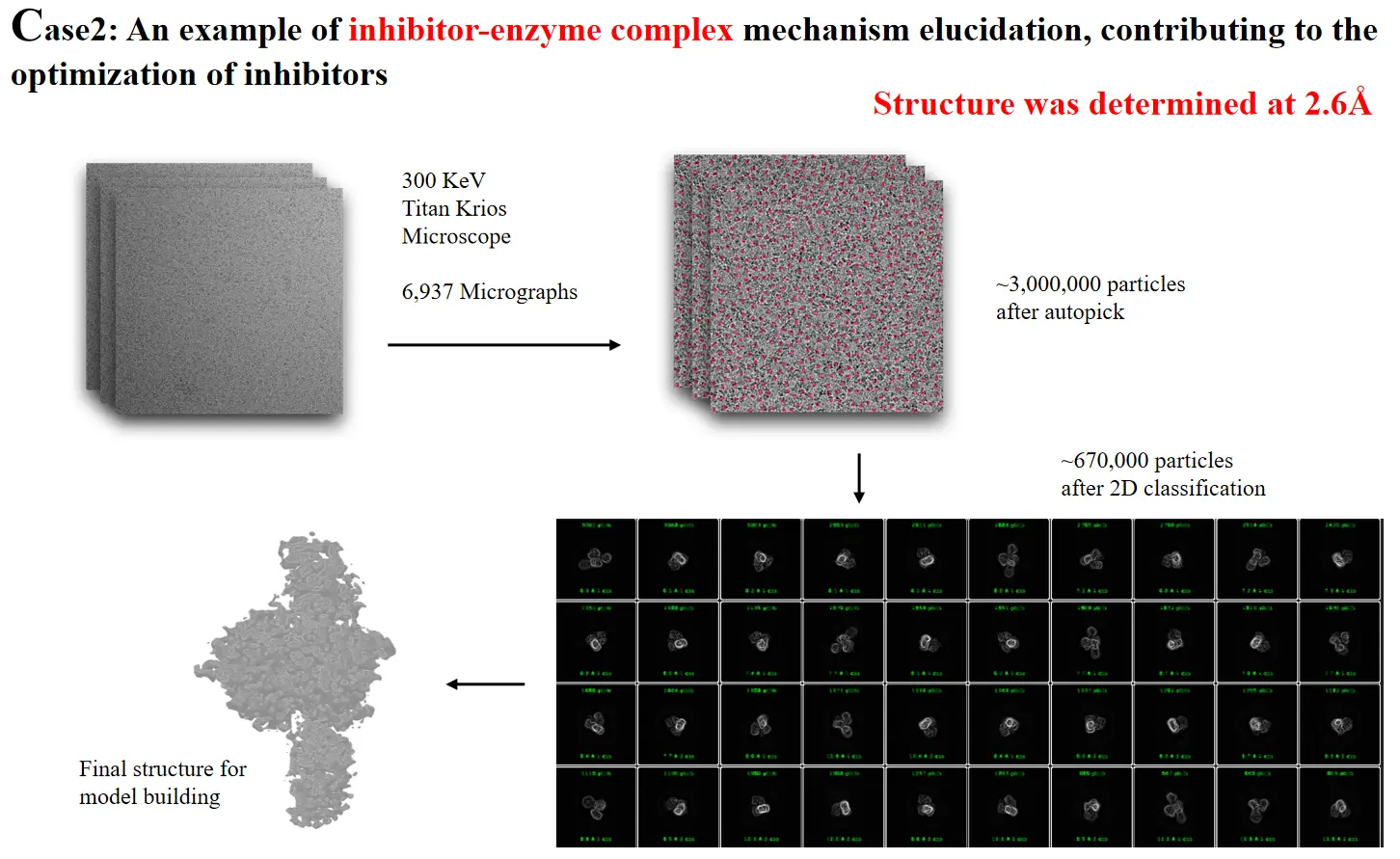
Figure 4. Case 2 - Enzyme Inhibitor Complex.
Resolution: 3.1 Å | Timeline: 2 months
Value: addresses the crystallization challenges of membrane proteins and supports GPCR drug-development programs.
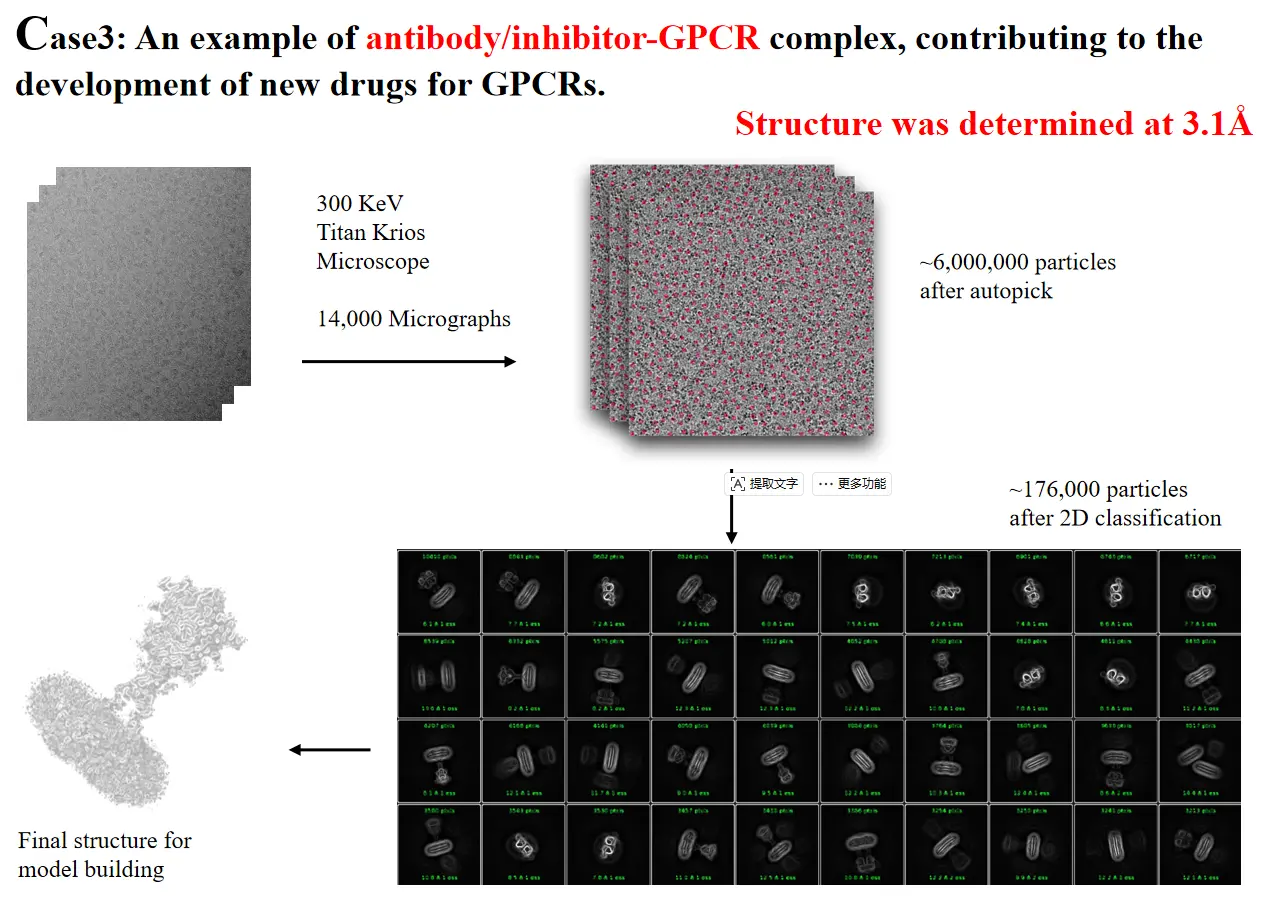
Figure 5. Case 3 - GPCR Antibody Membrane-Protein Complex.
Computational workflow: virtual high-throughput screening, molecular dynamics, absolute binding free-energy calculations, and structure modification.
Value: generates prioritized candidate small molecules and shortens the screening cycle.
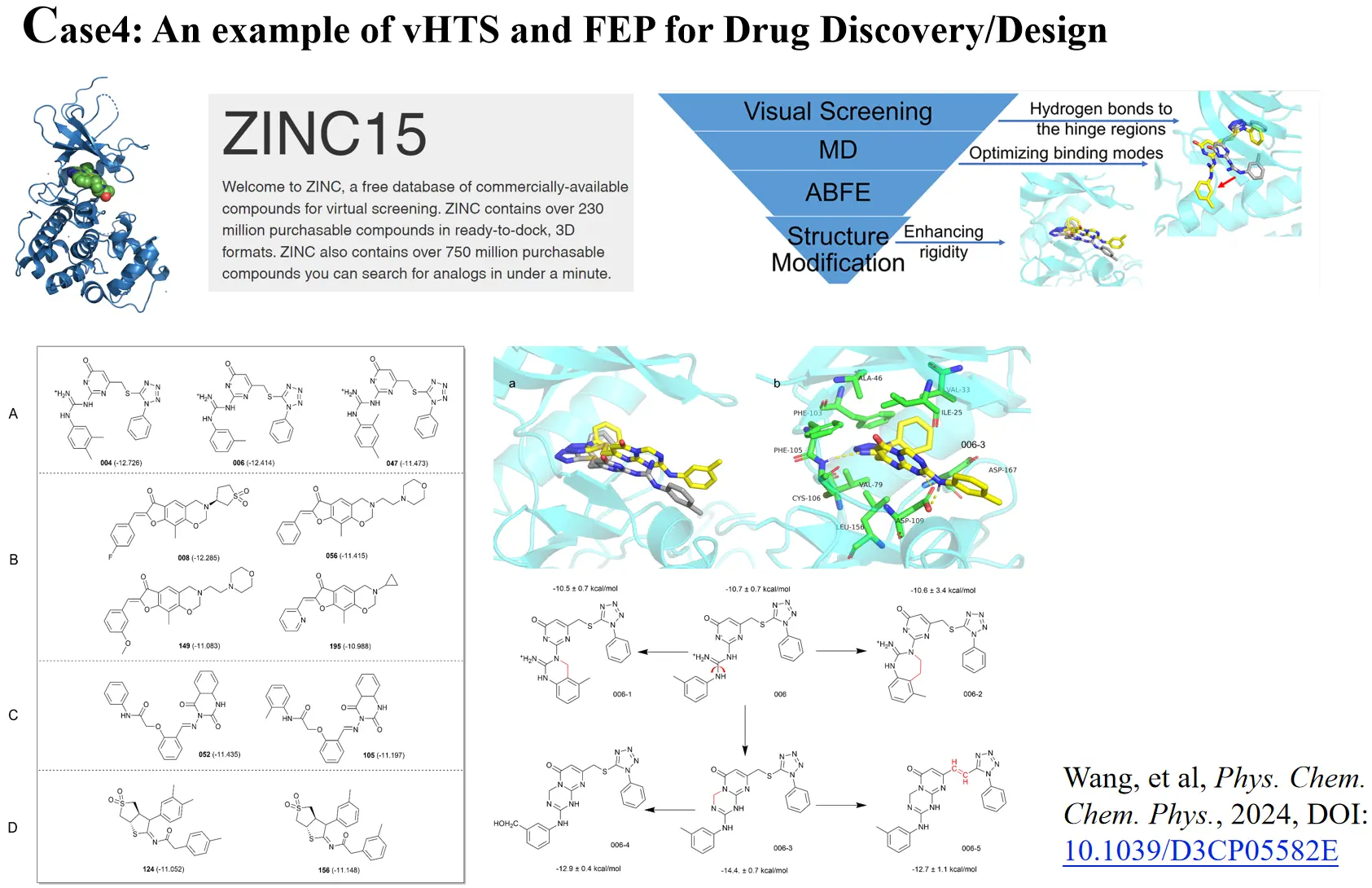
Figure 6. Case 4 - AI Virtual Screening and FEP-Guided Drug Design.
Project Assurance Framework
A project-specific nondisclosure agreement may be signed. For commercial projects, the webpage states that ownership of the commissioned protein structures and molecular models is assigned to the client.
The webpage states that original cryo-EM imaging datasets are irreversibly deleted 30 business days after project delivery, with no backup retained.
Client targets, gene sequences, and experimental data are stored in segregated areas and are not used for other projects.
Protein-sample feasibility is assessed before project initiation to identify aggregation, degradation, and conformational heterogeneity risks.
If structure determination fails because of an intrinsic protein-sample quality issue, the webpage states that only prescreening consumables are charged rather than the full structure-determination fee.
If data are lost because of equipment failure or operational error, one repeat run is provided without additional consumables or microscope-time charges.
Standard deliverables are organized for industrial, academic, and international clients.
Core deliverables may include raw cryo-EM images, EMD density maps, PDB atomic models, publication- or patent-quality structural figures, and a complete Chinese-language project report.
Optional value-added deliverables include GLP archival documentation and an English-language project report for international clients.
The webpage states a standard turnaround of 12-20 business days and an expedited seven-day structure-delivery option for eligible projects, including time-sensitive journal submissions and patent filings.
For fee-for-service pharmaceutical projects, the webpage states that all experimental data, 3D structures, and molecular models are owned exclusively by the client.
For academic collaborations, joint authorship is expected, and written confirmation from both parties is required before manuscript submission or public release of data.
