


























EDITGENE CO., LTD

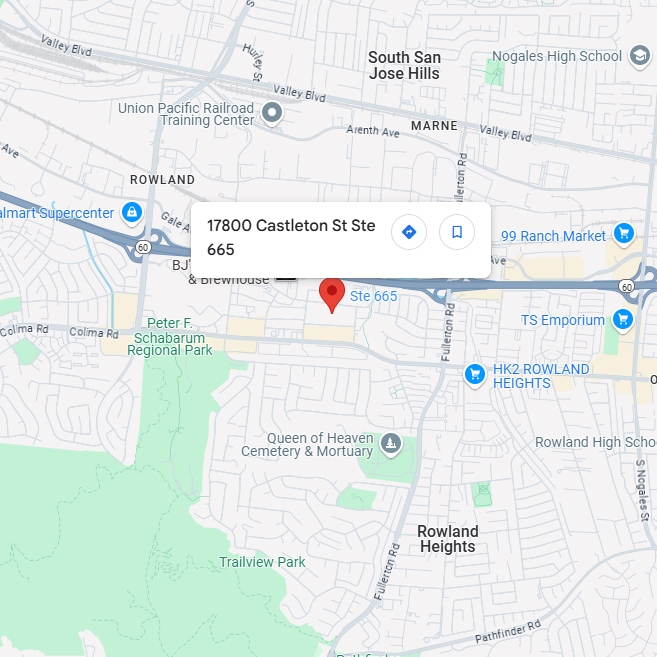
17800 Castleton St. Ste 665. City of Industry. CA 91748

info@editxor.com

+1-833-226-3234 (USA Toll-free)
+1-224-345-1927 (USA)
+86-19120102676 (Intl)

 Room 501, Building D, International Business Incubator, No.3 Juquan Road, Science City, Huangpu District, Guangzhou, Guangdong, China 510663
Technical Support

Support Center
Beijing Time: Monday to Friday, 8:00 AM - 6:00 PM
Toll-Free (USA): +833-226-3234
Direct Line (USA): +1-224-345-1927
Email: techsupport@editxor.com

After-Hours Support
Beijing Time: Monday to Sunday, 8:00AM - 6:00 PM
International Line: +86-19120102676
Email: info@editxor.com

Facebook Messenger
Reach out to us on Facebook Messenger for personalized assistance and detailed information.

Linkedin
Engage with us on LinkedIn for professional inquiries, the latest blogs, discoveries, and updates on our innovative work.
FAQ
Is this TRIM25 Knockout A-549 Cell Line compatible with overexpression rescue experiments?
Yes. TRIM25 rescue experiments require attention to its dual E3 ligase and RNA-binding activities:
• Construct design: use a codon-modified TRIM25 sequence with a small C-terminal tag (FLAG, HA). TRIM25 contains an N-terminal RING domain that should be preserved with minimal N-terminal modification.
• RING-dead rescue: the C20A/H22A double mutation in the RING domain abolishes E3 ligase activity and is the standard control for separating ligase from RNA-binding functions.
• RNA-binding-deficient rescue: specific PRY/SPRY domain mutations affect TRIM25's RNA binding without disrupting E3 activity — these constructs are critical for dissecting RNA-binding-specific functions.
• Functional readout: rescue should restore RIG-I ubiquitination and IFN induction following viral RNA stimulation in A-549.
A-549 transduces efficiently with lentivirus and supports stable rescue line generation; the NSCLC background is particularly suited to studying TRIM25 in respiratory virus infection contexts.
Which is better for studying TRIM21 function, TRIM21 Knockout HeLa Cell Line or TRIM21 overexpression HeLa Cell Line?
The choice depends on whether you are studying TRIM21's role in intracellular antibody-mediated immunity or its use as the molecular basis for Trim-Away technology. The Knockout line is essential for both — particularly in HeLa, where Trim-Away technology was originally developed and is most extensively validated. Overexpression is useful for boosting Trim-Away efficiency when endogenous TRIM21 is limiting or for studying the consequences of constitutive TRIM21 elevation.
For Trim-Away methodology research, the EDITGENE TRIM21 Knockout in HeLa is a critical reference tool — it serves as the negative control demonstrating Trim-Away dependency on TRIM21, and as a clean background for reconstituting Trim-Away with engineered TRIM21 variants. Rescue with wild-type, RING-dead (C16/15A), or Fc-binding-deficient (H433A) TRIM21 dissects the contributions of E3 ligase activity versus antibody binding.
What are the application scenarios for this model?
Primary applications:
• Trim-Away technology: HeLa is the original Trim-Away development context; this knockout serves as the essential negative control for confirming TRIM21-dependent targeted protein degradation in Trim-Away experiments.
• Antibody-mediated degradation studies: rescue experiments with engineered TRIM21 variants to optimize Trim-Away efficiency or expand its applications.
• TRIM21 structure-function studies: rescue with RING-dead (C16/15A) and Fc-binding-deficient (H433A) mutants to dissect E3 ligase versus antibody-binding functions.
• Intracellular antibody immunity: characterization of antibody-coated virus or pathogen detection in HeLa background.
EDITGENE recommends this model for researchers using or developing Trim-Away technology and for mechanistic TRIM21 research in the original methodological context.
Is this TRIM21 Knockout HeLa Cell Line compatible with overexpression rescue experiments?
Yes. TRIM21 rescue experiments are well-characterized given TRIM21's importance in Trim-Away technology:
• Construct design: use a codon-modified TRIM21 sequence with a small C-terminal tag (FLAG, HA). TRIM21 is small (~475 amino acids); N-terminal tags can interfere with the RING domain.
• Trim-Away activity rescue: rescue with wild-type TRIM21 should restore Trim-Away-mediated protein degradation in the knockout background — this is the principal functional readout for HeLa-context rescue.
• Structure-function variants: RING-dead (C16A or C15A) and Fc-binding-deficient (H433A) mutants dissect E3 ligase versus antibody-binding functions.
• Expression level: TRIM21 expression levels affect Trim-Away efficiency — rescue should approximate or moderately exceed endogenous TRIM21 levels for optimal activity.
HeLa transduces efficiently with lentivirus and is the most extensively used cell line for Trim-Away methodology, with established protocols for TRIM21 rescue and engineered variant testing.
Which is better for studying TRIM21 function, TRIM21 Knockout HEK293 Cell Line or TRIM21 overexpression HEK293 Cell Line?
The choice depends on whether you are studying TRIM21's biochemistry, its role as an antibody sensor, or its therapeutic implications in adenoviral gene therapy. The Knockout line is the standard tool for mechanistic studies — HEK293 has a long history in TRIM21 biochemistry and structural characterization. Overexpression is useful for testing TRIM21 variants and for in vitro reconstitution studies.
For mechanistic TRIM21 research, the EDITGENE Knockout in HEK293 provides a tractable platform with high transfection efficiency for rescue experiments — particularly valuable for structure-function studies and for distinguishing on-target TRIM21 effects from off-target editing artifacts. HEK293 is also relevant for studying TRIM21 interference with adenoviral vector-based gene therapy. Rescue with wild-type and structure-function variants is the standard approach.
What are the application scenarios for this model?
Primary applications:
• Biochemical reconstitution: HEK293 supports high-level expression of TRIM21 variants for in vitro ubiquitination assays and structural studies.
• Structure-function studies: rescue with RING-dead, PRY-SPRY mutants, or autoubiquitination-deficient variants to dissect TRIM21's functional domains.
• Adenoviral therapy research: HEK293 is the standard cell line for adenoviral vector production; TRIM21 KO is informative for studying how host TRIM21 interferes with adenoviral gene therapy efficacy.
• Protein-protein interaction studies: co-immunoprecipitation and proximity labeling to map TRIM21 interacting partners.
EDITGENE recommends this model for researchers focused on TRIM21 biochemistry, structure-function analysis, and adenoviral gene therapy interactions.
Is this TRIM21 Knockout HEK293 Cell Line compatible with overexpression rescue experiments?
Yes. TRIM21 rescue in HEK293 is well-suited for mechanistic and biochemical studies:
• Construct design: use a codon-modified TRIM21 sequence with a C-terminal tag (FLAG, HA). HEK293's high transfection efficiency supports rapid screening of TRIM21 variants.
• Domain dissection: rescue with PRY-SPRY deletion, B-box mutation, or coiled-coil truncation variants enables dissection of individual functional domains beyond standard RING-dead and Fc-binding mutants.
• Autoubiquitination considerations: TRIM21 undergoes RING-dependent autoubiquitination during activation; recent work has shown this is dispensable for substrate degradation — relevant for interpreting rescue with autoubiquitination-deficient variants.
• Functional readout: in vitro ubiquitination assays with rescue cell extracts can biochemically confirm TRIM21 enzymatic activity restoration.
HEK293 has the highest transfection efficiency among the three TRIM21 product cell lines, making it the preferred choice for systematic structure-function studies and biochemical rescue characterization.
Which is better for studying TRIM21 function, TRIM21 Knockout A-549 Cell Line or TRIM21 overexpression A-549 Cell Line?
The choice depends on whether you are studying TRIM21's role in intracellular antiviral immunity, particularly in the respiratory pathogen context. The Knockout line is the appropriate tool for asking whether TRIM21 is required for antibody-dependent neutralization of viruses that infect respiratory epithelium. Overexpression is useful for testing whether elevated TRIM21 enhances antibody-mediated neutralization, particularly relevant for emerging respiratory pathogens.
For respiratory virus research, the EDITGENE TRIM21 Knockout in A-549 is particularly valuable — A-549 supports replication of many respiratory viruses (adenovirus, influenza, SARS-CoV-2), enabling direct testing of TRIM21's protective antiviral functions in a disease-relevant cellular context. Rescue with wild-type or RING-dead TRIM21 is the standard approach for distinguishing antibody-binding from E3 ligase functions.
What are the application scenarios for this model?
Primary applications:
• Respiratory virus neutralization: TRIM21-dependent antibody-mediated neutralization assays for viruses that infect respiratory epithelium (adenovirus, influenza, SARS-CoV-2).
• Antibody-coated virus clearance: imaging-based analysis of virus-antibody complex degradation kinetics in the absence of TRIM21.
• Innate immune signaling: NF-κB and IRF3 activation downstream of TRIM21-mediated K63-ubiquitin signaling during viral infection.
• Therapeutic antibody efficacy: assessment of how TRIM21 status influences the intracellular efficacy of therapeutic antibodies in a respiratory disease-relevant cellular context.
EDITGENE recommends this model for researchers investigating antibody-mediated antiviral immunity in respiratory virus infection contexts.
Is this TRIM21 Knockout A-549 Cell Line compatible with overexpression rescue experiments?
Yes. TRIM21 rescue experiments in A-549 are particularly suited to antiviral immunity studies:
• Construct design: use a codon-modified TRIM21 sequence with a C-terminal tag (FLAG, HA). Standard TRIM21 expression vectors work well in A-549.
• Antiviral function rescue: the principal functional readout for A-549 context is restoration of antibody-mediated intracellular virus neutralization — assays should use antibody-coated virus challenge (adenovirus is the canonical TRIM21 substrate).
• Structure-function variants: RING-dead (C16/15A) and Fc-binding-deficient (H433A) TRIM21 dissect E3 ligase versus antibody-binding functions in the respiratory virus infection context.
• Functional readout: viral replication assays in rescue cells compared to knockout and parental lines, with and without virus-specific antibody, quantify TRIM21's antiviral contribution.
A-549 transduces with lentivirus at standard efficiency for adherent cancer lines and supports stable TRIM21 rescue line generation.
Which is better for studying TRIB3 function, TRIB3 Knockout HAP1 Cell Line or TRIB3 overexpression HAP1 Cell Line?
The choice depends on whether you are studying TRIB3's role as a stress-induced pseudokinase, its inhibition of AKT signaling, or its functions in metabolic disease and cancer. The Knockout line is appropriate for asking whether TRIB3 is required for these processes — TRIB3 is a stress-inducible factor that modulates multiple signaling pathways through pseudokinase scaffolding rather than catalytic activity. Overexpression is useful for studying TRIB3 induction effects, particularly relevant given that TRIB3 is normally low in unstressed cells.
For TRIB3 research, the EDITGENE Knockout line in HAP1 provides a clean genetic background for dissecting TRIB3-specific signaling functions. Rescue with wild-type or substrate-binding-deficient TRIB3 is the standard approach for assigning observed effects to specific protein-protein interactions, given that TRIB3 lacks catalytic kinase activity.
What are the application scenarios for this model?
Primary applications:
• AKT signaling: phospho-AKT (Ser473, Thr308) and downstream substrate phosphorylation analysis to assess TRIB3's reported AKT inhibitory function.
• Stress response: induction of TRIB3 by ER stress, amino acid starvation, or hypoxia in the parental line versus phenotypes in the knockout under stress conditions.
• ATF4/CHOP pathway: analysis of integrated stress response downstream effectors, given TRIB3's identification as an ATF4 target.
• Metabolic and cancer phenotypes: glucose handling, insulin sensitivity readouts, and proliferation/apoptosis assays in cancer-relevant contexts.
EDITGENE recommends this model for researchers investigating TRIB3 biology, integrated stress response, and AKT pathway regulation.
Is this TRIB3 Knockout HAP1 Cell Line compatible with overexpression rescue experiments?
Yes. TRIB3 rescue experiments require attention to its pseudokinase nature:
• Construct design: use a codon-modified TRIB3 sequence with a small C-terminal tag (FLAG, HA). TRIB3 is small (~358 amino acids) and tolerates either N- or C-terminal tagging.
• Substrate-binding mutant rescue: since TRIB3 lacks catalytic activity, 'function-dead' controls require disruption of its protein-protein interactions — typically mutations in the pseudokinase domain interfaces with AKT, MAPK, or COP1.
• Domain-deletion rescue: separate rescue with the pseudokinase domain alone versus full-length TRIB3 helps map function to specific protein regions.
• Functional readout: rescue should restore TRIB3-mediated AKT inhibition (phospho-AKT analysis) or substrate-specific phenotypes.
HAP1-specific considerations:
• Diploidization: HAP1 cells gradually diploidize during extended culture — confirm ploidy by flow cytometry at the time of phenotypic assay.
• Integration site sensitivity: position effects on transgene expression are more pronounced in near-haploid backgrounds; generating multiple independent rescue clones is strongly recommended.
• Transduction efficiency: HAP1 transduces with lentivirus at moderate efficiency — increase MOI compared to standard immortalized lines.
Which is better for studying TRIB1 function, TRIB1 Knockout HAP1 Cell Line or TRIB1 overexpression HAP1 Cell Line?
The choice depends on whether you are studying TRIB1's role as a pseudokinase scaffold or its specific functions in C/EBPα degradation and AML biology. The Knockout line is appropriate for asking whether TRIB1 is required for COP1-mediated C/EBPα ubiquitination — its principal characterized function in myeloid biology. Overexpression is useful for studying TRIB1 in cancer contexts where it is frequently overexpressed.
For TRIB1 research, the EDITGENE Knockout line in HAP1 is informative for mechanistic dissection of pseudokinase scaffolding function. Rescue with wild-type or COP1-binding-deficient TRIB1 is the standard approach for distinguishing scaffolding from other functions, given that TRIB1 lacks catalytic activity.
What are the application scenarios for this model?
Primary applications:
• C/EBPα stability: cycloheximide chase and ubiquitination analysis of C/EBPα protein levels in the absence of TRIB1 to assess COP1-mediated degradation.
• COP1 substrate identification: TRIB1-dependent COP1 substrate analysis through ubiquitin proteomics in the knockout background.
• Pseudokinase scaffolding studies: structural and interaction analysis of TRIB1's substrate-binding pseudokinase domain functions.
• Cancer relevance: AML-related phenotypic readouts where TRIB1 amplification has been implicated in disease biology.
EDITGENE recommends this model for researchers investigating TRIB1 biology, COP1 substrate adaptor function, and acute myeloid leukemia mechanisms.
