EDITGENE CO., LTD
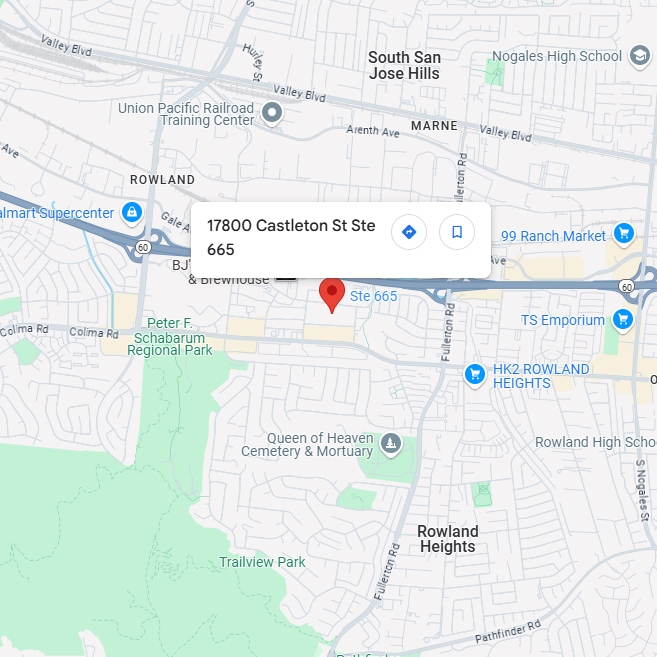
17800 Castleton St. Ste 665. City of Industry. CA 91748
info@editxor.com
+1-833-226-3234 (USA Toll-free)
+1-224-345-1927 (USA)
+86-19120102676 (Intl)

Technical Support

Support Center
Beijing Time: Monday to Friday, 8:00 AM - 6:00 PM
Toll-Free (USA): +833-226-3234
Direct Line (USA): +1-224-345-1927
Email: techsupport@editxor.com

After-Hours Support
Beijing Time: Monday to Sunday, 8:00AM - 6:00 PM
International Line: +86-19120102676
Email: info@editxor.com

Facebook Messenger
Reach out to us on Facebook Messenger for personalized assistance and detailed information.

Linkedin
Engage with us on LinkedIn for professional inquiries, the latest blogs, discoveries, and updates on our innovative work.
FAQ
Is this NLRP3 Knockout BV-2 Cell Line compatible with overexpression rescue experiments?
Yes. NLRP3 rescue experiments are well-established for microglial neuroinflammation research:
• Construct design: use a codon-modified Nlrp3 sequence with a small C-terminal tag (FLAG, HA). Mouse Nlrp3 has N-terminal PYD, NACHT, and C-terminal LRR — preserve all elements.
• CAPS mutation rescue: patient-derived activating mutations (R262W, D305N, Y570C, V200M corresponding human numbering) introduced for genotype-function studies of cryopyrin-associated periodic syndromes.
• Activation-deficient rescue: Walker A motif mutations in NACHT abolish NTP binding and inflammasome activation.
• Functional readout: rescue should restore LPS-priming + nigericin-induced ASC speck formation, caspase-1 cleavage, IL-1β/IL-18 release, and gasdermin-D-mediated pyroptosis.
BV-2-specific considerations:
• BV-2 is an immortalized murine microglial cell line (v-raf/v-myc transformed C57BL/6 microglia) — the most widely used continuous microglial cell line for in vitro neuroimmunology research.
• Lentiviral transduction is supported with moderate efficiency; characterize basal microglial activation state (M1/M2 markers) before phenotypic assays.
• BV-2 retains key microglial markers (CD11b, Iba1, CD68) and TLR/inflammasome responses, but immortalization may alter some primary microglial features — confirm relevant phenotypes in independent assays.
Which is better for studying NLRP3 function, NLRP3 Knockout BV-2 Cell Line or NLRP3 overexpression BV-2 Cell Line?
The choice depends on whether you are studying NLRP3 inflammasome activation in microglia or modeling NLRP3-mediated neuroinflammation in Alzheimer's disease, Parkinson's disease, and other neurodegenerative contexts. The Knockout line is the standard tool for asking whether NLRP3 is required for microglial inflammasome assembly — NLRP3 in microglia responds to amyloid-β fibrils, α-synuclein aggregates, tau, and other DAMPs implicated in neurodegeneration. Overexpression is useful for studying CAPS-associated gain-of-function NLRP3 mutations.
For neuroinflammation research, the EDITGENE Nlrp3 Knockout in BV-2 is uniquely valuable — BV-2 is the most widely used immortalized murine microglial cell line, providing a tractable system for studying microglial NLRP3 biology relevant to neurodegenerative disease. Rescue with wild-type or CAPS-associated activating mutant (e.g., R262W, D305N, Y570C) NLRP3 enables comprehensive disease genotype-function studies. The knockout is a critical specificity control for MCC950/CRID3 (and clinical candidates inzomelid, somalix) and dapansutrile (OLT1177, in clinical trials for heart failure and gout) in neurological drug development.
What are the application scenarios for this model?
Primary applications:
• Microglial inflammasome activation: LPS-priming followed by NLRP3 activators (nigericin, ATP, monosodium urate crystals) to characterize NLRP3-dependent IL-1β/IL-18 release.
• Neurodegeneration-relevant activation: amyloid-β fibrils, α-synuclein, tau, and other CNS DAMP-induced NLRP3 activation studies in microglia.
• CAPS mutation modeling: rescue with patient-derived activating mutations (R262W, D305N, Y570C, V200M) for genotype-function studies of cryopyrin-associated periodic syndromes.
• NLRP3 inhibitor specificity: critical genetic control for MCC950/CRID3 (and clinical candidates inzomelid, somalix), dapansutrile (OLT1177), and emerging NLRP3 inhibitors in neurodegenerative disease drug development.
EDITGENE recommends this microglial model for researchers investigating neuroinflammation, NLRP3-mediated neurodegenerative disease mechanisms, and CNS-targeted NLRP3 inhibitor development.
Can the same efficiency be achieved in suspension cells?
Transfecting suspension cells is generally more challenging. However, due to its superior performance, this product works efficiently not only in adherent cells but also in suspension cells. For example, in Jurkat cells, 48 hours post-transfection, editing efficiency can reach up to 97%, demonstrating the product’s high efficiency in suspension cell transfection and meeting demanding requirements.
Why does the product cause relatively low cellular damage?
The product utilizes advanced biomolecular transfection technology. Compared with the toxicity of traditional chemical transfection methods and the physical stress of electroporation, it shows significant advantages in preserving cell viability.
What should be done if gene knockout fails using the kit?
If gene knockout fails when using this kit, EDITGENE will not charge for the kit. Additionally, the fee you paid for the kit can be directly applied toward EDITGENE’s gene knockout service, ensuring that your gene editing experiments proceed without concerns.
How can it be demonstrated that high editing efficiency is achieved without selection?
The product has been validated in multiple cell types. The RNP system enters cells and begins functioning within 4 hours post-transfection, and the Cas9 protein is degraded within 24-48 hours. This transient, high-efficiency expression enables gene editing without the need for continuous selection.
Can comparable editing efficiency be achieved in suspension cells?
While suspension cells are generally more difficult to transfect, this kit performs exceptionally well in both adherent and suspension cell types. For example, in Jurkat cells, editing efficiency can reach up to 97%
within 48 hours post-transfection, demonstrating the kit’s outstanding performance and suitability for demanding suspension cell applications.
How can high editing efficiency be achieved without selection?
This kit has been validated across multiple cell lines. The RNP complex enters cells and begins gene editing within 4 hours post-transfection. Cas9 protein is degraded within 24–48 hours, allowing efficient and transient expression-driven editing without the need for antibiotic or fluorescent selection.
Why does this kit cause minimal cellular damage?
The kit employs advanced biomolecular transfection technology, offering significant advantages over
traditional methods. Unlike chemical transfection, which may be cytotoxic, or electroporation, which can subject cells to physical stress, this approach ensures minimal damage while maintaining high efficiency.
Can the kit detect Mycoplasma in reagents?
The kit can detect Mycoplasma in common cell culture reagents, such as media and serum, without the need for sample preparation. Simply proceed directly to PCR reaction and gel loading. However, the kit cannot detect Mycoplasma in organic solvents like DMSO or ethanol.
Bands appear in the negative control
Use a freshly opened negative control for retesting. Ensure to change pipette tips during sample loading and prioritize loading the negative control first to avoid cross-contamination between samples.
Inconsistent results with repeated testing
PCR detection of Mycoplasma is highly sensitive, so avoid cross-contamination between samples. Ensure sterile conditions when handling each sample individually. After sample processing and PCR reaction, allow samples to cool before proceeding to the next step to avoid aerosol contamination.
Can the kit detect Mycoplasma in reagents?
The kit can detect Mycoplasma in common cell culture reagents, such as media and serum, without the need for sample preparation. Simply proceed directly to PCR reaction and gel loading. However, the kit cannot detect Mycoplasma in organic solvents like DMSO or ethanol.
Inconsistent results with repeated testing
PCR detection of Mycoplasma is highly sensitive, so avoid cross-contamination between samples. Ensure sterile conditions when handling each sample individually. After sample processing and PCR reaction, allow samples to cool before proceeding to the next step to avoid aerosol contamination.

Room 501, Building D, International Business Incubator, No.3 Juquan Road, Science City, Huangpu District, Guangzhou, Guangdong, China 510663