Request A Quote

*
*
*
*
How did you hear about us:

EDITGENE CO., LTD

...
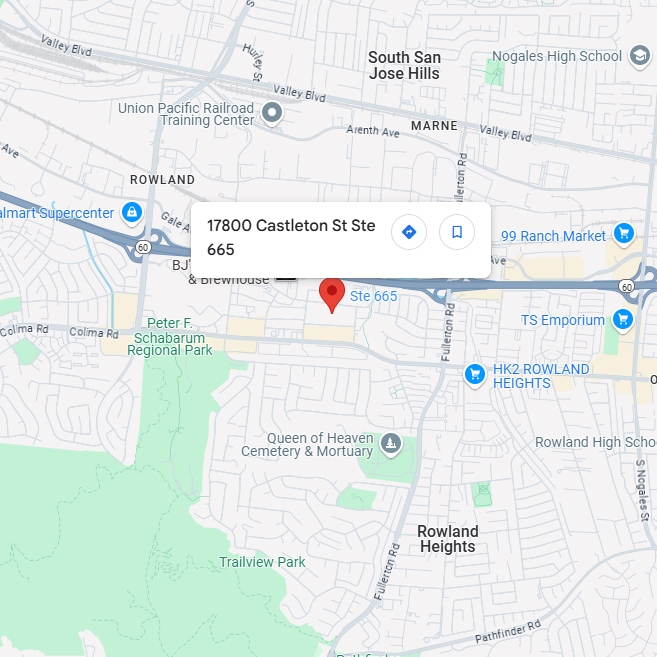
17800 Castleton St. Ste 665. City of Industry. CA 91748
...
info@editxor.com
...
+1-833-226-3234 (USA Toll-free)
+1-224-345-1927 (USA)
+86-19120102676 (Intl)

...
17800 CASTLETON ST STE 665, CITY OF INDUSTRY,CA 91748

China

  Room 501, Building D, International Business Incubator, No.3 Juquan Road, Science City, Huangpu District, Guangzhou, Guangdong, China 510663

USA

  117800 Castleton St. Ste 665 .City of Industry. CA 91748

Technical Support

Support Center
Beijing Time: Monday to Friday, 8:00 AM - 6:00 PM
Toll-Free (USA): +833-226-3234
Direct Line (USA): +1-224-345-1927
Email: techsupport@editxor.com

After-Hours Support
Beijing Time: Monday to Sunday, 8:00AM - 6:00 PM
International Line: +86-19120102676
Email: info@editxor.com
Whatsapp
Connect with us instantly on WhatsApp for quick inquiries and real-time support.

Office WhatsApp

Welfare
Activities
Practise Knowledge
Scientifical Research

Facebook Messenger
Reach out to us on Facebook Messenger for personalized assistance and detailed information.

Linkedin
Engage with us on LinkedIn for professional inquiries, the latest blogs, discoveries, and updates on our innovative work.

FAQ

The choice depends on whether you are studying Nlrc4's role as the central NLR family inflammasome platform sensing bacterial flagellin and type III secretion system components or modeling autoinflammation with infantile enterocolitis (AIFEC) syndrome. The Knockout line is the standard tool for asking whether Nlrc4 is required for these activities — Nlrc4 inflammasome assembly is triggered by NAIP family co-receptor recognition of bacterial flagellin (NAIP5/6), type III secretion needle (NAIP1), or rod (NAIP2) proteins from Salmonella, Legionella, Burkholderia, and other intracellular pathogens. Overexpression is useful for studying Nlrc4 in heterologous expression contexts or for testing AIFEC-associated gain-of-function mutations. For macrophage innate immunity research, the EDITGENE Nlrc4 Knockout in IBMDM is uniquely valuable — IBMDM preserves authentic macrophage inflammasome responses to bacterial infection. Rescue with wild-type or AIFEC-associated activating mutant (e.g., V341A, T337S) Nlrc4 enables comprehensive disease modeling — AIFEC patients have severe infantile autoinflammation and infectious susceptibility. The knockout is critical for studying gasdermin-D-mediated pyroptosis downstream of Nlrc4 activation.
Primary applications: • Inflammasome activation: ASC oligomerization, caspase-1 cleavage, and IL-1β/IL-18 release following Salmonella infection or flagellin/needle/rod protein cytosolic delivery. • Bacterial pathogen restriction: intracellular Salmonella, Legionella, or Burkholderia replication assays given Nlrc4's role in restricting these pathogens. • NAIP co-receptor studies: NAIP1 (needle), NAIP2 (rod), NAIP5/6 (flagellin) co-receptor requirement for Nlrc4 activation. • AIFEC modeling: rescue with patient-derived activating Nlrc4 mutations (V341A, T337S) for genotype-function studies of infantile autoinflammation. EDITGENE recommends this model for researchers investigating bacterial inflammasome activation, macrophage innate immunity, and AIFEC-related autoinflammatory disease mechanisms.
Yes. Nlrc4 rescue experiments are well-established for inflammasome research: • Construct design: use a codon-modified Nlrc4 sequence with a small C-terminal tag (FLAG, HA). Nlrc4 has N-terminal CARD, NACHT domain, and C-terminal LRR — preserve all elements. • NAIP co-receptor partnership: Nlrc4 activation requires NAIP co-receptor recognition of bacterial ligands — rescue interpretation considers NAIP expression in IBMDM. • AIFEC mutation rescue: gain-of-function Nlrc4 mutations (V341A, T337S) enable disease genotype-function studies of infantile autoinflammation. • Functional readout: rescue should restore Salmonella-induced or flagellin-induced caspase-1 activation, IL-1β/IL-18 release, and pyroptosis. IBMDM-specific considerations: • IBMDM are immortalized murine bone marrow-derived macrophages — a primary-cell-like immune background that preserves canonical macrophage signaling. • Lentiviral transduction efficiency is moderate compared to standard cell lines; spinoculation and increased MOI may be required for rescue line generation. • Macrophage activation state can vary — characterize basal polarization (M1/M2 markers) before phenotypic assays.
The choice depends on whether you are studying Mefv (pyrin, marenostrin)'s role as a RhoA-monitoring inflammasome sensor or modeling familial Mediterranean fever (FMF). The Knockout line is the standard tool for asking whether pyrin is required for inflammasome activation — pyrin is activated when bacterial toxins (e.g., Clostridium difficile TcdB, Vibrio cholerae VopF) or RhoA inactivators trigger pyrin dephosphorylation at S205/S241 and release from 14-3-3 inhibition, leading to ASC oligomerization and caspase-1 activation. Overexpression is useful for studying gain-of-function FMF mutations. For inflammasome research, the EDITGENE Mefv Knockout in IBMDM is uniquely valuable — IBMDM (immortalized bone marrow-derived macrophages) preserve macrophage-like pyrin responses, the physiological cell type for pyrin biology. Mefv mutations cause familial Mediterranean fever (FMF), the most common monogenic autoinflammatory disease — disease variant rescue (e.g., M680I, M694V, V726A) enables genotype-function studies. Rescue with wild-type or phospho-mimetic (S205D/S241D) pyrin enables comprehensive mechanism studies. The knockout is a critical specificity control for colchicine — the gold-standard FMF treatment — mechanism research.
Primary applications: • Inflammasome activation: ASC oligomerization, caspase-1 cleavage, IL-1β/IL-18 release following C. difficile toxin B (TcdB) treatment or RhoA inactivation. • FMF modeling: rescue with patient-derived activating mutations (M680I, M694V, V726A, E148Q) for genotype-function studies of FMF — the most common monogenic autoinflammatory disease. • Pyrin phosphorylation: phospho-pyrin (S205, S241) Western blot following RhoA inactivation given the dephosphorylation-activated mechanism. • Colchicine mechanism studies: colchicine's effect on pyrin signaling — colchicine is the gold-standard FMF treatment. EDITGENE recommends this IBMDM-based model for researchers investigating pyrin inflammasome biology, FMF disease mechanisms, and colchicine pharmacology.
Yes. Pyrin rescue experiments are well-established for FMF research: • Construct design: use a codon-modified Mefv sequence with a small C-terminal tag (FLAG, HA). Pyrin has N-terminal PYD (death domain superfamily), B-box zinc finger, coiled-coil, and C-terminal B30.2/SPRY domain — preserve all elements. • FMF mutation rescue: B30.2-localized FMF mutations (M680I, M694V, V726A) enable disease genotype-function studies — these mutations relieve 14-3-3-mediated inhibition. • Phospho-mimetic rescue: S205D/S241D pyrin remains inhibited by 14-3-3 binding even after stimulation, serving as an activation-resistant control. • Functional readout: rescue should restore C. difficile TcdB-induced or RhoA inactivation-induced inflammasome activation. IBMDM-specific considerations: • IBMDM are immortalized murine bone marrow-derived macrophages — a primary-cell-like immune background that preserves canonical macrophage signaling. • Lentiviral transduction efficiency is moderate compared to standard cell lines; spinoculation and increased MOI may be required for rescue line generation. • Macrophage activation state can vary — characterize basal polarization (M1/M2 markers) before phenotypic assays.
The choice depends on whether you are studying NPRA (NPR-A, GC-A)'s role as the principal natriuretic peptide receptor for ANP and BNP in cardiomyocytes or its functions in cardiac hypertrophy regulation and heart failure. The Knockout line is the standard tool for asking whether NPR-A is required for ANP/BNP-induced cGMP generation — NPR-A is a transmembrane guanylyl cyclase activated by ANP and BNP binding to the extracellular domain, generating cGMP for PKG signaling and cardioprotective responses. Overexpression is useful for studying NPR-A in heterologous expression contexts. For cardiomyocyte research, the EDITGENE Nrpa (NPRA) Knockout in HL-1 is highly relevant — HL-1 is a murine atrial cardiomyocyte cell line preserving cardiac contractile phenotypes, providing a physiologically relevant context for cardiac natriuretic peptide signaling research. Rescue with wild-type or guanylyl cyclase-dead NPR-A enables structure-function studies. The knockout is valuable for studying neprilysin inhibitor (sacubitril) and ANP/BNP analog mechanism — sacubitril/valsartan (Entresto) elevates ANP/BNP levels for heart failure therapy. This product complements the parallel NPR1 Knockout in HeLa (also available) for cardiomyocyte versus biochemistry studies.
Primary applications: • Cardiomyocyte ANP/BNP signaling: cGMP generation following ANP/BNP stimulation in physiologically relevant cardiomyocyte context. • Cardiac hypertrophy modeling: hypertrophy markers (ANF, BNP, β-MHC) following phenylephrine or other hypertrophic stimuli in NPRA-null cardiomyocytes. • Sacubitril/valsartan mechanism: Entresto's combined neprilysin inhibition (raising ANP/BNP) and AT1R blockade — NPR-A is the principal mediator of natriuretic peptide cardioprotection. • PKG downstream signaling: phospho-PKG substrates analysis in the NPRA-null cardiomyocyte context. EDITGENE recommends this cardiomyocyte-based model for researchers investigating cardiac natriuretic peptide signaling, heart failure pharmacology, and cardiac hypertrophy mechanisms.
Yes. NPR-A rescue experiments require attention to cardiomyocyte transduction: • Construct design: use a codon-modified Npr1 sequence with a small intracellular C-terminal tag (FLAG, HA). NPR-A has extracellular ANP/BNP-binding domain, single transmembrane span, kinase homology domain (KHD), dimerization domain, and C-terminal guanylyl cyclase domain — preserve all elements. • Guanylyl cyclase-dead rescue: catalytic domain mutations abolish cGMP generation and serve as the standard specificity control. • KHD-mutant rescue: kinase homology domain mutations affect ATP-dependent regulation. • Functional readout: rescue should restore ANP/BNP-induced cGMP generation and downstream PKG signaling in cardiomyocyte context. HL-1-specific considerations: • HL-1 is a murine atrial cardiomyocyte cell line preserving contractile and cardiac gene expression phenotypes — uniquely valuable among continuous cardiac lines. • HL-1 requires specialized culture conditions (Claycomb medium with norepinephrine supplementation) and gelatin/fibronectin-coated surfaces. • Lentiviral transduction is supported but typically with reduced efficiency compared to standard immortalized lines — optimization may be required.
The choice depends on whether you are studying PPP1R3B (GL/PTG)'s role as a liver/muscle PP1 glycogen-targeting subunit or its established functions in glycogen metabolism and metabolic disease genetics. The Knockout line is the standard tool for asking whether PPP1R3B is required for PP1 targeting to glycogen — PPP1R3B (also called GL or PTG) is a major glycogen-targeting subunit in liver and muscle with documented metabolic disease relevance. Overexpression is useful for studying glycogen accumulation in heterologous systems. For metabolic disease research, the EDITGENE PPP1R3B Knockout in HAP1 enables study of PP1-glycogen targeting biology. Common PPP1R3B polymorphisms have been associated with fasting glucose, HbA1c, and hepatic glycogen content in GWAS studies. Rescue with wild-type or disease variant PPP1R3B enables genotype-function studies. The knockout is valuable for studying genetics of glycogen storage and Type 2 diabetes pharmacogenomics.
Primary applications: • Glycogen synthase dephosphorylation: phospho-glycogen synthase (S641, S645) analysis to characterize PPP1R3B-dependent PP1 activity. • Cellular glycogen content: PAS staining and biochemical glycogen assays in various glucose conditions. • Diabetes-associated polymorphism studies: rescue with PPP1R3B polymorphic variants (e.g., disease-associated SNPs) for pharmacogenomic studies of glycogen metabolism. • Hepatic glycogen storage: in hepatic-relevant contexts, characterization of PPP1R3B's role in liver glycogen handling. EDITGENE recommends this model for researchers investigating glycogen metabolism, type 2 diabetes pharmacogenomics, and PP1 glycogen-targeting biology.
Yes. PPP1R3B rescue experiments are well-established for glycogen metabolism research: • Construct design: use a codon-modified PPP1R3B sequence with a small C-terminal tag (FLAG, HA). Preserve carbohydrate-binding module and PP1-binding RVxF motif. • PP1-binding-deficient rescue: RVxF mutations abolish PP1 binding and serve as standard specificity controls. • Polymorphism rescue: rescue with PPP1R3B variants (T2T-classified polymorphisms affecting glucose handling) for pharmacogenomic studies. • Functional readout: rescue should restore PP1-glycogen targeting, glycogen synthase activation, and cellular glycogen accumulation. HAP1-specific considerations: • Diploidization: HAP1 cells gradually diploidize during extended culture — confirm ploidy by flow cytometry at the time of phenotypic assay. • Integration site sensitivity: position effects on transgene expression are more pronounced in near-haploid backgrounds; generating multiple independent rescue clones is strongly recommended. • Transduction efficiency: HAP1 transduces with lentivirus at moderate efficiency — increase MOI compared to standard immortalized lines.
The choice depends on whether you are studying MYLK (myosin light chain kinase, smooth muscle MLCK)'s role as a calcium/calmodulin-activated kinase or modeling its associations with thoracic aortic dissection susceptibility. The Knockout line is the standard tool for asking whether MYLK is required for these processes — MYLK is a multi-functional gene encoding multiple protein isoforms (smooth muscle MLCK, non-muscle MLCK, telokin) through alternative promoters and splicing, phosphorylating myosin regulatory light chain (MLC) to drive smooth muscle and non-muscle contractility. Overexpression is useful for studying MYLK in heterologous expression contexts. For smooth muscle and vascular biology research, the EDITGENE MYLK Knockout in HAP1 enables study of MLCK biology — though physiological smooth muscle contractility requires smooth muscle cell models. Heterozygous MYLK loss-of-function mutations cause familial thoracic aortic aneurysm and dissection (FTAAD) — disease variant rescue enables genotype-function studies. Rescue with wild-type or kinase-dead MYLK enables comprehensive structure-function studies. The knockout is a critical specificity control for MLCK inhibitors (ML-7, ML-9) in cardiovascular research.
Primary applications: • MLC phosphorylation: phospho-MLC (S19) Western blot to assess MYLK kinase activity following calcium stimulation. • Heterologous contractile studies: in heterologous smooth muscle or non-muscle cell contexts, characterization of MYLK-dependent contractility. • FTAAD modeling: rescue with patient-derived MYLK mutations for genotype-function studies of familial thoracic aortic disease. • MLCK inhibitor specificity: critical genetic control for ML-7, ML-9, and other MLCK inhibitors. EDITGENE recommends this model for researchers investigating MYLK biology and FTAAD mechanisms; physiological smooth muscle contractility requires smooth muscle models.
Yes. MYLK rescue experiments require attention to isoform diversity: • Construct design: MYLK encodes multiple protein isoforms — choose the isoform appropriate to the experimental question (smooth muscle MLCK, non-muscle MLCK, telokin). Use codon-modified sequence with a small C-terminal tag (FLAG, HA). • Kinase-dead rescue: ATP-binding lysine mutation abolishes catalytic activity and serves as the standard specificity control. • Calmodulin-binding-deficient rescue: CaM-binding domain mutations enable separating Ca²⁺/CaM-dependent activation from intrinsic activity. • FTAAD mutation rescue: patient-derived MYLK mutations enable disease genotype-function studies. • Functional readout: rescue should restore MLC phosphorylation and contractile/mechanical responses. HAP1-specific considerations: • Diploidization: HAP1 cells gradually diploidize during extended culture — confirm ploidy by flow cytometry at the time of phenotypic assay. • Integration site sensitivity: position effects on transgene expression are more pronounced in near-haploid backgrounds; generating multiple independent rescue clones is strongly recommended. • Transduction efficiency: HAP1 transduces with lentivirus at moderate efficiency — increase MOI compared to standard immortalized lines.
Contact Us
*
*
*
*
How did you hear about us: