David Liu’s Team Reports Three Recent Prime Editing Breakthroughs: PERT, PE-PRISM, and LNP Delivery Advance Clinical Translation

From November 2025 to June 2026, David R. Liu's laboratory published three landmark studies in Nature, Nature Biotechnology, and Nature Nanotechnology, revealing transformative advances in Prime Editing (PE) technology.
These breakthroughs introduced:
· PERT (Prime Editing-mediated Readthrough of Premature Termination Codons) — a universal therapeutic strategy targeting nonsense mutations;
· PE-PRISM (Prime Editing Pooled Reporter for Identification of Structured Motifs) — a high-throughput platform for evolving optimized pegRNA designs;
· PE-LNP — an efficient non-viral lipid nanoparticle delivery system for in vivo Prime Editing.
Together, these studies address three fundamental questions for Prime Editing clinical translation:
What diseases can Prime Editing treat?
How can editing efficiency be improved?
How can Prime Editing components be efficiently delivered in vivo?
These advances establish a complete pathway from molecular engineering to therapeutic application.
01
PERT — Rewriting tRNA with Prime Editing Enables Disease-Independent Gene Therapy
Nature (2025) | DOI: 10.1038/s41586-025-09732-2
Genetic disease therapy faces a fundamental challenge: there are more than 8,000 known genetic diseases and approximately 200,000 disease-associated variants worldwide. Developing individual therapies for every mutation is practically and economically challenging.
According to the ClinVar database, nonsense mutations account for approximately 24% of pathogenic variants. These mutations convert normal codons into premature termination codons (PTCs), causing early termination of protein translation and production of truncated, nonfunctional proteins.
David Liu's team proposed a fundamentally different strategy: Instead of correcting each nonsense mutation individually, they engineered the cellular translation machinery itself.
Using Prime Editing, endogenous tRNA genes were permanently converted into suppressor tRNAs (sup-tRNAs) capable of recognizing premature termination signals and inserting amino acids, allowing translation to continue.
This approach, named PERT (Prime Editing-mediated Readthrough of Premature Termination Codons), represents a potential mutation-independent strategy for treating a broad range of genetic disorders.
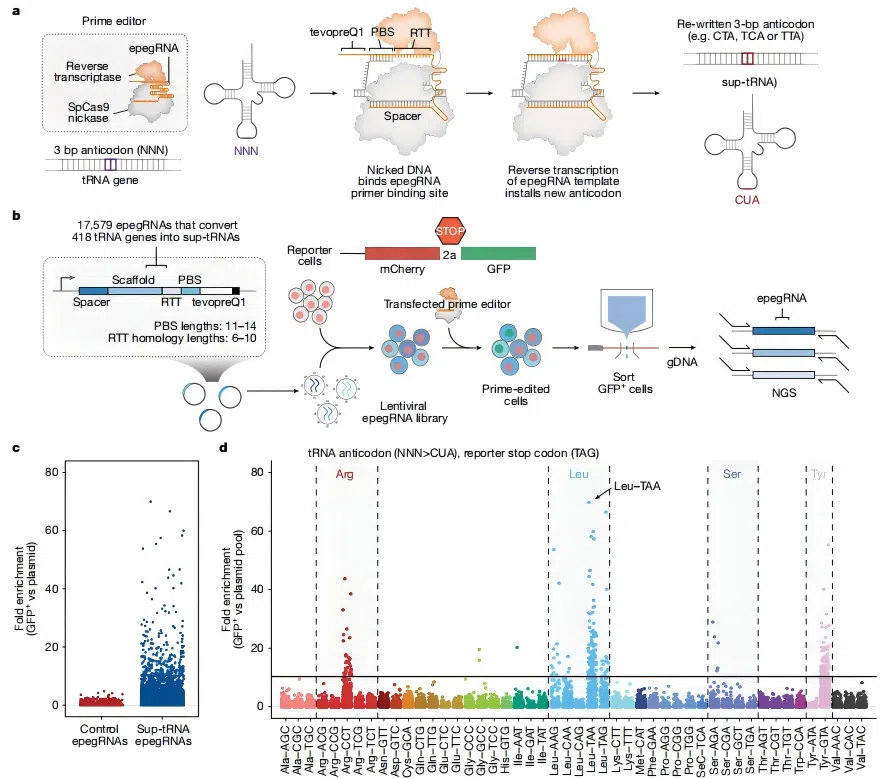 Figure 1. Schematic of the PERT strategy
 ▶ Key Technical Advances: Six-Nucleotide Optimization Achieves 60–80% Editing Efficiency
The researchers systematically screened all 418 high-confidence human tRNA genes and identified tRNA-Leu-TAA-1-1 as an optimal scaffold.
Through saturation mutagenesis screening, they discovered that modifying only six nucleotides (hp12ta>cg + hp13gc>cg) restored full-length protein production to 35% of wild-type levels.
This significantly outperformed previous approaches, which required modification of 83 nucleotides and achieved only 16% restoration.
To improve installation efficiency, the team screened 17,280 epegRNA designs and identified the combination of the PE6c variant with MLH1dn-mediated mismatch repair inhibition as optimal, achieving 60–80% targeted editing efficiency in both HeLa and HEK293T cells.
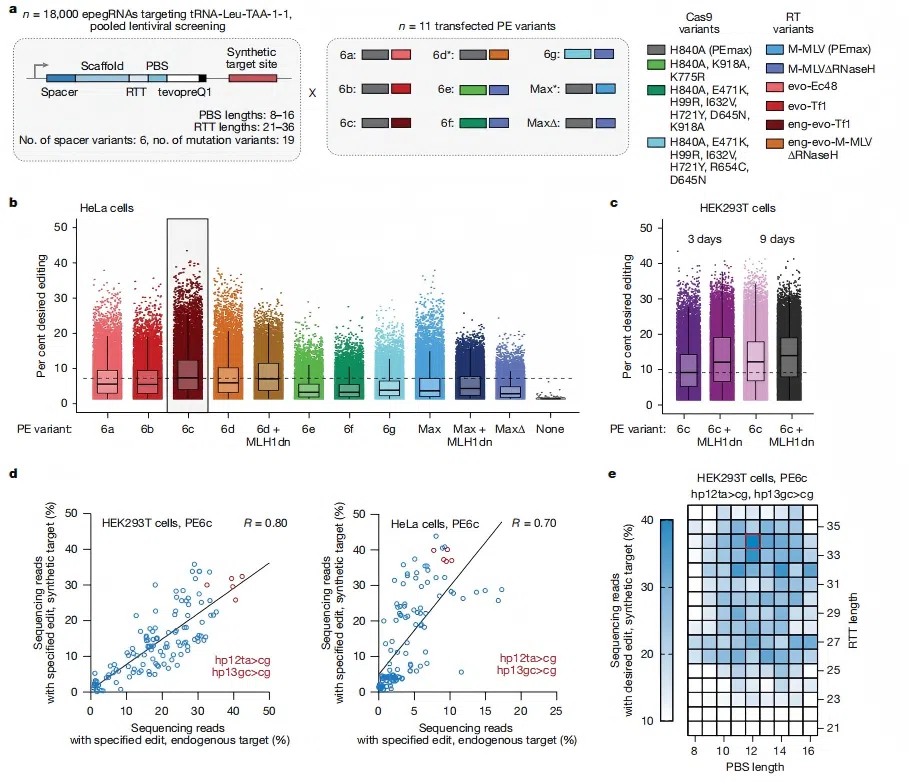 Figure 2. Heatmap of editing efficiency of PE6c combined with MLH1dn across different target sites and epegRNA designs
 ▶ Disease Models and In Vivo Validation
PERT was validated across multiple genetic disease models:
· Batten disease (TPP1): enzyme activity restored by 20–70%;
· Tay-Sachs disease (HEXA): significant enzyme recovery;
· Cystic fibrosis (CFTR): among 15 nonsense variants tested, full-length protein restoration reached up to 14% of wild-type levels;
· ClinVar analysis: screening of 14,746 TAG stop codons achieved an average readthrough rate of 69 ± 30%.
In a mouse model of Hurler syndrome (Idua p.W392X), AAV9-delivered PERT restored:
· 7.6% IDUA enzyme activity in heart tissue;
· 6.3% IDUA enzyme activity in cerebral cortex.
Histological analysis demonstrated:
· elimination of Purkinje cell vacuolation;
· disappearance of foam cell accumulation in liver, spleen, and heart;
· substantial reduction of GAG storage.
These results indicate near-complete pathological rescue in treated tissues.
02
PE-PRISM — Directed Evolution of pegRNA Motifs Dramatically Improves Prime Editing Efficiency
Nature Biotechnology (2026) | DOI: 10.1038/s41587-026-03123-2
Prime Editing consists of three major components:
· Cas9 nickase (nCas9);
· reverse transcriptase (RT);
· prime editing guide RNA (pegRNA).
Among these components, the structured RNA motif located at the 3′ end of pegRNA plays a critical role in intracellular stability and editing efficiency. For years, tevopreQ1, an engineered pseudoknot derived from tobacco etch virus, has served as the gold-standard pegRNA stabilization motif. However, systematic exploration of this sequence space had remained largely unexplored.
David Liu's team developed PE-PRISM, a high-throughput pooled screening platform designed to identify optimized structured RNA motifs. The platform enables direct comparison of thousands of pegRNA designs in human cells by linking different 3′ structural motifs with corresponding pegRNA targets through a self-targeting lentiviral library.
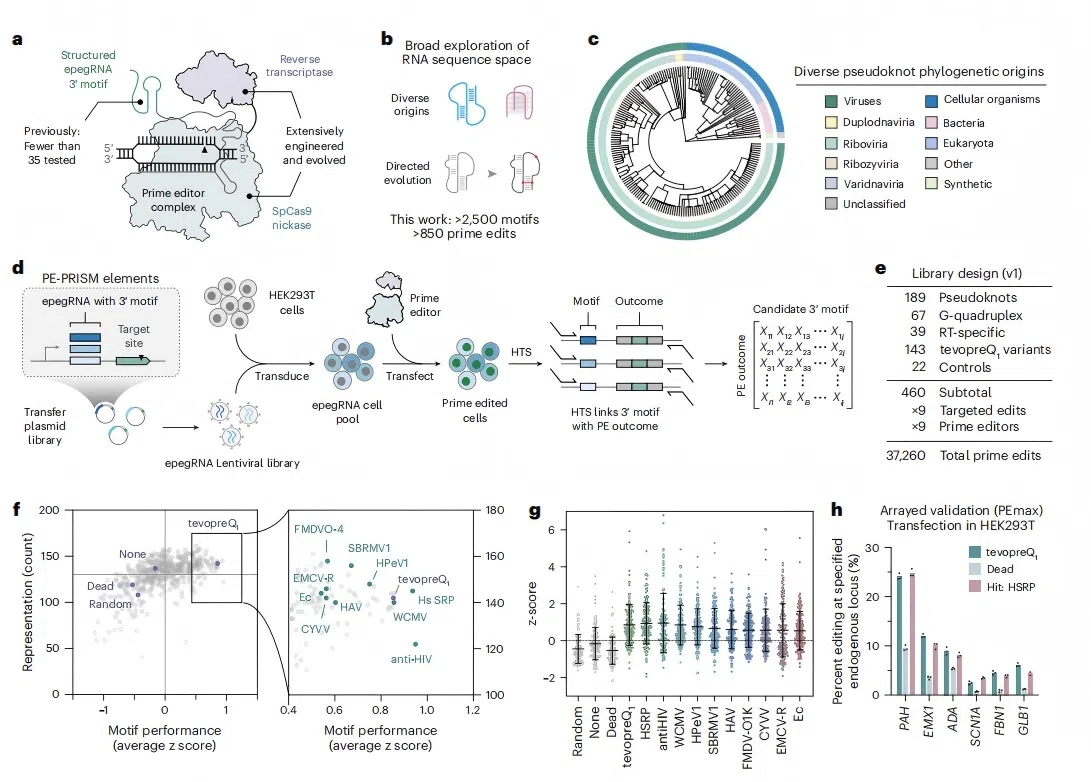 Figure 3. Schematic of the PE-PRISM high-throughput screening platform
 ▶ Four Screening Rounds Identify Three Superior pegRNA Motifs
PE-PRISM evaluated more than 116,000 experimental conditions.
Across validation of 847 ClinVar pathogenic variants, three optimized motifs were identified:
| Motif | Feature | Number of top-ranking targets |
|---|---|---|
| HAV | Hepatitis A virus pseudoknot | 336 |
| eHAV | Engineered HAV variant | 284 |
| tevo2.0 | Evolutionary improvement of tevopreQ1 | 288 |
| tevopreQ1 | Previous gold standard | 79 |
The three new motifs collectively covered 83.4% of tested targets (706/847).
Compared with tevopreQ1:
· New motifs outperformed the traditional standard in more than 90% of editing events;
· Some genomic targets showed 2–5 fold efficiency improvements.
In vivo validation demonstrated:
· 2.6-fold improvement in neonatal mouse brain using eVLP delivery;
· 2.1–4.6-fold improvement in adult mouse liver using LNP delivery;
· No increase in detectable off-target effects.
03
PE-LNP — Lipid Nanoparticles Enable Efficient and Repeatable In Vivo Prime Editing
Nature Nanotechnology (2026) | DOI: 10.1038/s41565-026-02200-6
Prime Editing requires simultaneous delivery of three major components:
· PE mRNA (~5.6 kb);
· pegRNA;
· nicking guide RNA (ngRNA).
This creates major delivery challenges:
· The PE system exceeds the packaging capacity of AAV vectors (~4.7 kb);
· Non-viral delivery efficiency had previously remained extremely limited.
David Liu's team established a systematic PE-LNP optimization workflow targeting three major bottlenecks:
1. Optimization of epegRNA 3′ structural motifs;
2. Screening of improved PE protein variants;
3. Optimization of mRNA:gRNA ratios and purification processes.
Through three rounds of optimization, in vivo editing efficiency increased from the initial 0.8% to the final 49%, achieving a 63-fold increase.
04
The Underlying Logic of the Three Breakthroughs: From Capability to Clinical Translation
The synergistic relationships among these three studies are particularly noteworthy. The eSBRMV1-A motif identified through the PE-PRISM screening platform plays a critical role in the optimization workflow of PE-LNP.
By incorporating eSBRMV1-A into the lipid nanoparticle delivery system, the overall editing efficiency was dramatically increased from 0.8% (prior to epegRNA optimization) to 49%.
The PERT strategy may likewise benefit from both the high-performance pegRNA motifs identified by PE-PRISM and the optimized delivery framework developed for PE-LNP.
In the future, replacing AAV-based delivery with an LNP-based system for PERT could enable a combination of high editing efficiency, reduced off-target effects, and repeat dosing capability.
As David R. Liu stated in an interview:
"Collectively, these three papers improve the overall efficiency and clinical relevance of prime editing, which we hope will make the technique more useful both for research purposes and for therapeutic clinical applications."
EDITGENE Bingo™ Prime Editing Platform — Accelerating Precision Genome Engineering
The latest breakthroughs from David Liu's team further demonstrate that Prime Editing is rapidly progressing from laboratory innovation toward clinical applications.
For researchers and biotechnology companies, access to reliable Prime Editing tools and precise cell models is essential for accelerating discovery and validation.
Powered by the Bingo™ Prime Editing platform, EDITGENE provides high-precision point mutation cell line generation services with advanced editing efficiency and validation capabilities.
With significantly higher success rates than conventional genome editing systems, these services have supported leading research teams publishing in journals such as Nature and Cell in constructing critical cellular models, and the platform's technical capabilities have been recognized by world-class laboratories.
Contact us
+ 833-226-3234 (USA Toll-free)
+1-224-345-1927 (USA)
info@editxor.com
Tag
Share